
Enhance Your Space with LED Handrail Lighting Solutions
You've probably walked past hundreds of handrails without a second thought. They are just there, a simple piece of metal or wood to help you up the stairs. But what if that boring rail could do more?
An LED handrail can completely change a space, making it both safer and more visually appealing. You'll see how this simple upgrade is becoming a go-to for designers and builders looking for a smart LED handrail solution.
Table Of Contents:
What is an LED Handrail System?
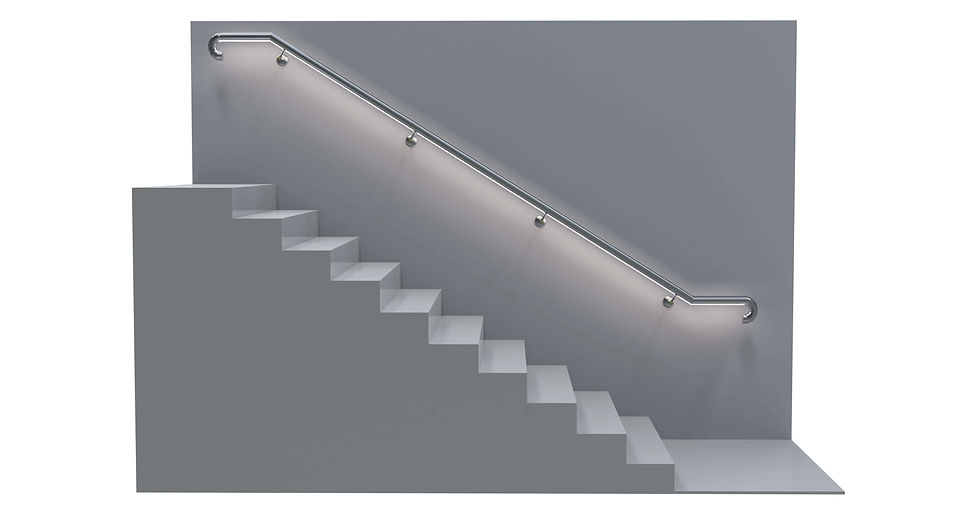
Think of it as a standard handrail with a strip of high-efficiency LED lights. This integrated lighting creates a seamless, continuous line of light exactly where you need it most. It's a clean and clever way to illuminate paths and stairs without bulky, separate fixtures.
The system is not complicated and consists of several key parts working together.
First, there's the handrail itself, often crafted from durable materials like stainless steel, aluminium, or timber.
Next is the LED strip which fits neatly into the handrail.
Finally, low-voltage LED drivers connect to your mains electricity, converting the power to safely run the lights.
These components combine to form complete lighting systems that are both functional and elegant.
More Than Just a Pretty Light: The Real Benefits
Swapping a standard railing for an illuminated one might seem like a purely aesthetic choice. The real advantages, however, go much deeper than looks alone.
Safety is Everything
Let's face it, poorly lit stairs and walkways are a significant hazard. This is especially true at night, in public venues, or in homes with young children or elderly family members. An illuminated LED handrail drastically reduces the risk of trips and falls.
Jaw-Dropping Looks
There's no denying the visual impact of handrail lighting. LED lights add a touch of modern sophistication to any construction design. It can transform a dark, uninviting staircase into a stunning architectural feature that guides the eye and elevates the entire area.
Kind to Your Wallet and the Planet
Modern LED technology is incredibly efficient. The lights used in these handrails consume a tiny fraction of the power of older incandescent or halogen bulbs. This focus on energy-efficient lighting translates directly into lower electricity bills for your home or business.
Furthermore, LEDs have a remarkably long lifespan, often providing light for 50,000 hours or more, which means you could get years of warranty on the product. This saves you money on maintenance and reduces waste over the long term, making it a sustainable choice.
Types of LED Handrails
There are two types of LED lighting design: continuous LED strip or individual LED puck lights.
An LED strip provides a continuous, uninterrupted line of light, often referred to as linear lighting. When paired with a good diffuser within the handrail LED profile, this method produces a smooth, dot-free glow. This is the most popular choice for modern interior lighting and creating elegant, flowing lines of light along stairs and walkways.

In contrast, an LED puck system uses small, circular LED downlights spaced at intervals along the handrail. This creates pools of light on the surface below rather than a continuous line. This style can be effective for highlighting specific architectural details or for a more traditional look, but it doesn't provide the same seamless illumination as strip lighting.
Choosing the Right LED Handrail for Your Project
With a growing product range available, how do you pick the right system? Your decision will depend on where you are installing it, the environmental conditions, and the aesthetic you want to achieve.
Picking Your Material
The handrail material sets the tone for the entire installation and impacts durability and maintenance. Your choice between steel, aluminium, and timber will define the style of your project. Each offers distinct advantages for different applications.
A stainless steel led handrail is the popular option of the group, known for its strength and longevity. Aluminium gives you more design flexibility with different powder-coated finishes for various custom options. A timber LED handrail provides a classic, warm feel for indoor applications, blending technology with natural beauty.
Material | Best For | Pros | Cons |
316 Stainless Steel | Outdoor, coastal areas, commercial projects. | Extremely durable, high corrosion resistance. | Higher initial cost. |
Aluminium LED | Indoor, modern residential, commercial. | Lightweight, versatile, can be powder coated. | Less dent-resistant than steel. |
Timber LED | Indoor, classic and warm residential. | Natural, warm aesthetic, feels good to the touch. | Needs more maintenance, not for outdoors. |
Getting the Light Just Right
The 'LED' part of the handrail is just as important as the rail itself. The type of light you choose will completely define the mood of the space. Consider these factors to ensure the final result matches your vision.
Colour Temperature: This is measured in Kelvin (K). A lower number, like 2700K to 3000K, produces a warm, cosy, yellowish light. A higher number, like 4000K to 5000K, gives a cool, crisp, white light that feels more modern and alert.
Brightness: Measured in lumens, this determines the light's intensity. For ambient safety lighting on a stair handrail, you don't need blinding brightness. However, a public space might need a higher lumen output to meet accessibility standards and provide clear visibility.
IP Rating: The Ingress Protection (IP) rating is vital, especially for outdoor or damp area installations. This number indicates how well the light is sealed against dust and water. An outdoor LED handrail exposed to rain needs at least an IP65 rating to ensure protection and durability.

The Installation Process: DIY or Call the Pros?
So, you've decided on the perfect LED lighting for your staircase or deck. Can you install it yourself this weekend?
The answer depends on your skills and local regulations.
Mounting the physical handrail is often within the skills of a confident DIYer or builder. This involves measuring, drilling, and securing brackets to the wall or posts. Many high-quality bespoke lighting kits come with detailed instructions for this part of the job.
However, the electrical wiring is a different story. In Australia, any electrical work involving a connection to the 240V mains power supply must be performed by a licensed electrician. This is a legal requirement designed to protect you, your property, and anyone using the system.
These lighting systems are low voltage, but they require LED drivers to convert the power from your wall socket. A licensed electrician will ensure this is wired correctly and safely, according to Australian standards.
Complying with Australian Standards
When installing any handrail, function and safety must come before form. In Australia, handrails need to comply with the National Construction Code (NCC), which sets minimum requirements for safety in our buildings. A reputable supplier of handrails in Australia will always prioritise compliance.
The code dictates critical details like the required height of the stair handrail and the necessary clearance between the rail and the wall. This ensures people can get a firm and continuous grip on it for support. This is why a well-designed handrail system is a trusted choice for architects and builders.
When you add integrated LED lights, you must make sure the installation does not interfere with these structural requirements. The lighting should provide clear illumination without creating glare or disorienting strobing effects. A custom-designed LED handrail from a quality provider will account for this, delivering light that enhances safety rather than creating new hazards.
Customisation and Lead Times
One of the great advantages of modern handrail systems is the potential for customisation. You are no longer limited to off-the-shelf options. Many suppliers offer custom lighting and fabrication services to create a truly unique feature for your project.
Custom options can include specific lengths, unique bends or curves to follow a spiral staircase, and a wide range of powder coat colours for an aluminium LED profile. This allows the handrail to become a central part of your design. Whether you need a stainless steel LED handrail for a coastal home or a sleek black rail for a minimalist interior, customisation makes it possible.
Conclusion
LED handrail lighting represents the perfect fusion of safety, functionality, and modern design. Whether you're enhancing visibility on commercial staircases, creating ambient lighting for residential outdoor spaces, or ensuring compliance with accessibility requirements, integrated LED solutions elevate your handrail system from purely functional to truly exceptional.
At Geelong Handrails, we understand that every lighting project has unique requirements, from power considerations and colour temperature preferences to environmental factors and design integration. Our experience across 700+ installations and many of those being LED, it means we can guide you through the options and deliver LED handrail solutions that meet both your vision and your practical needs.
Ready to explore LED handrail lighting for your project? Most of our available handrails can have an LED upgrade option. Check out our creative range of Handrail solutions. Let's light the way to a safer, more beautiful space.


Comments